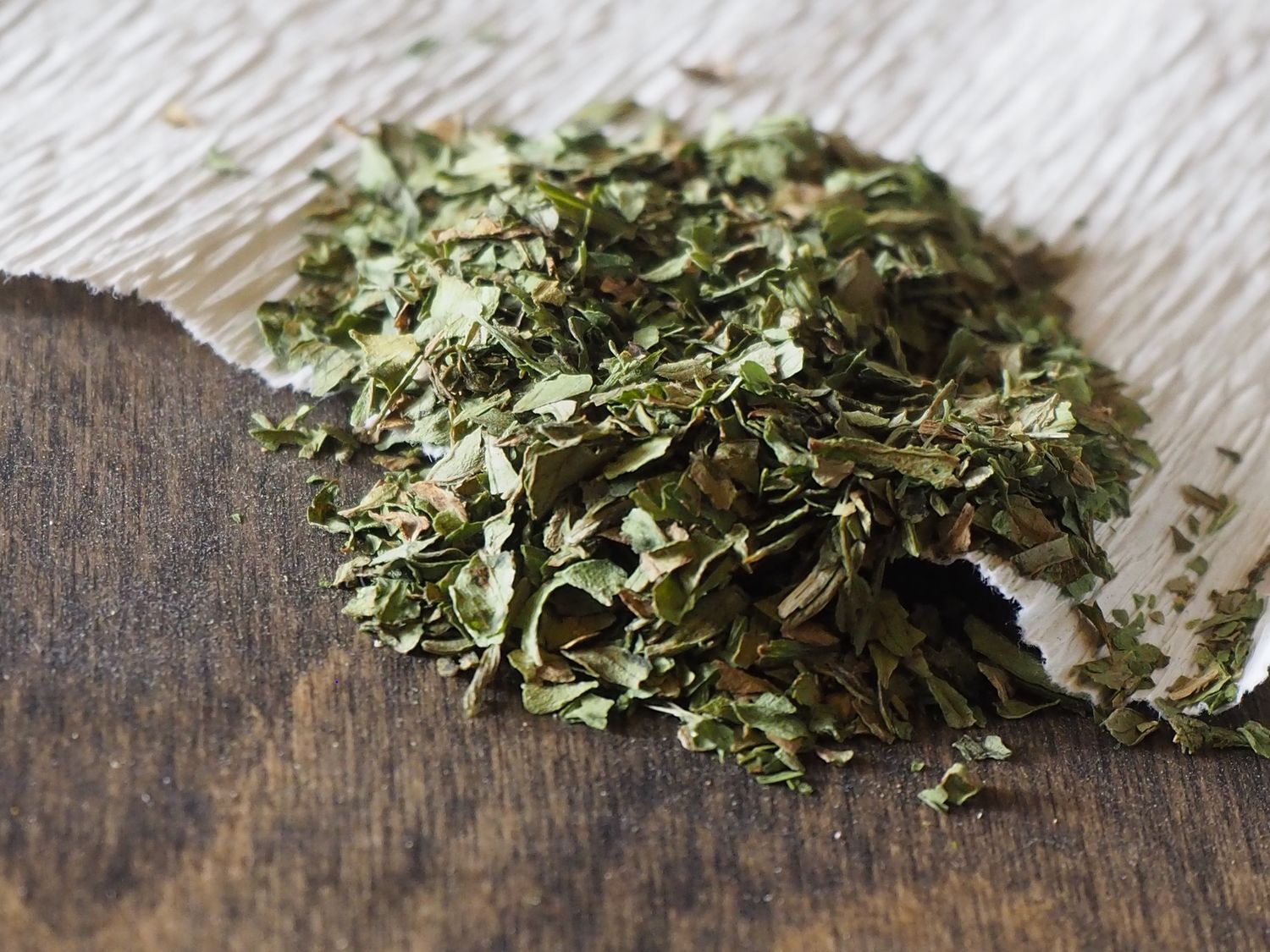
Lovage
£2.49
In stock
Product Details
Brand: Seed And Leaf
PRODUCT NET WEIGHT: 20G
Lovage is a bold and aromatic herb that brings a unique depth to your dishes. With its celery-like flavor, enhanced by hints of parsley and anise, lovage adds a fresh, earthy brightness to soups, stews, and broths. Its savory, slightly peppery taste makes it a perfect companion to roasted meats, seafood, and hearty root vegetables. Sprinkle it into salads for a crisp herbal note or infuse it into sauces for a sophisticated twist. It is related to parsley and I think of it like parsley’s older sister - a bit more sophisticated with notes of celery and black pepper.
Lovage has been cherished for centuries, with roots tracing back to ancient Mediterranean kitchens and apothecaries. Romans used it for its bold flavor in culinary recipes and as a tonic for digestion. In medieval Europe, lovage was a staple in herbal gardens, celebrated for its invigorating aroma and medicinal properties. Its name is derived from the Middle English 'loveache' or 'love ache', which means 'love parsley'; 'ache' was a medieval word for parsley. It was used as an aphrodisiac.
Today, it continues to hold a revered place in traditional cooking across Europe, especially in hearty farmhouse recipes and rustic soups. Let this timeless herb elevate your dishes with its rich history and vibrant taste.
Save this product for later
Customer reviews
Reviews only from verified customers
No reviews yet. You can buy this product and be the first to leave a review.
Lovage
Display prices in:GBP